Field note · Aging experiments
Then an Email Arrived from Ukraine
By R. G. Kvasir
I had been circling the same question for a long time: how much of what we call ageing is actually about wood chemistry, and how much is geometry, oxygen access, and time management?
Then an email arrived from Ukraine, and the question stopped being theoretical.
Then an Email Arrived from Ukraine
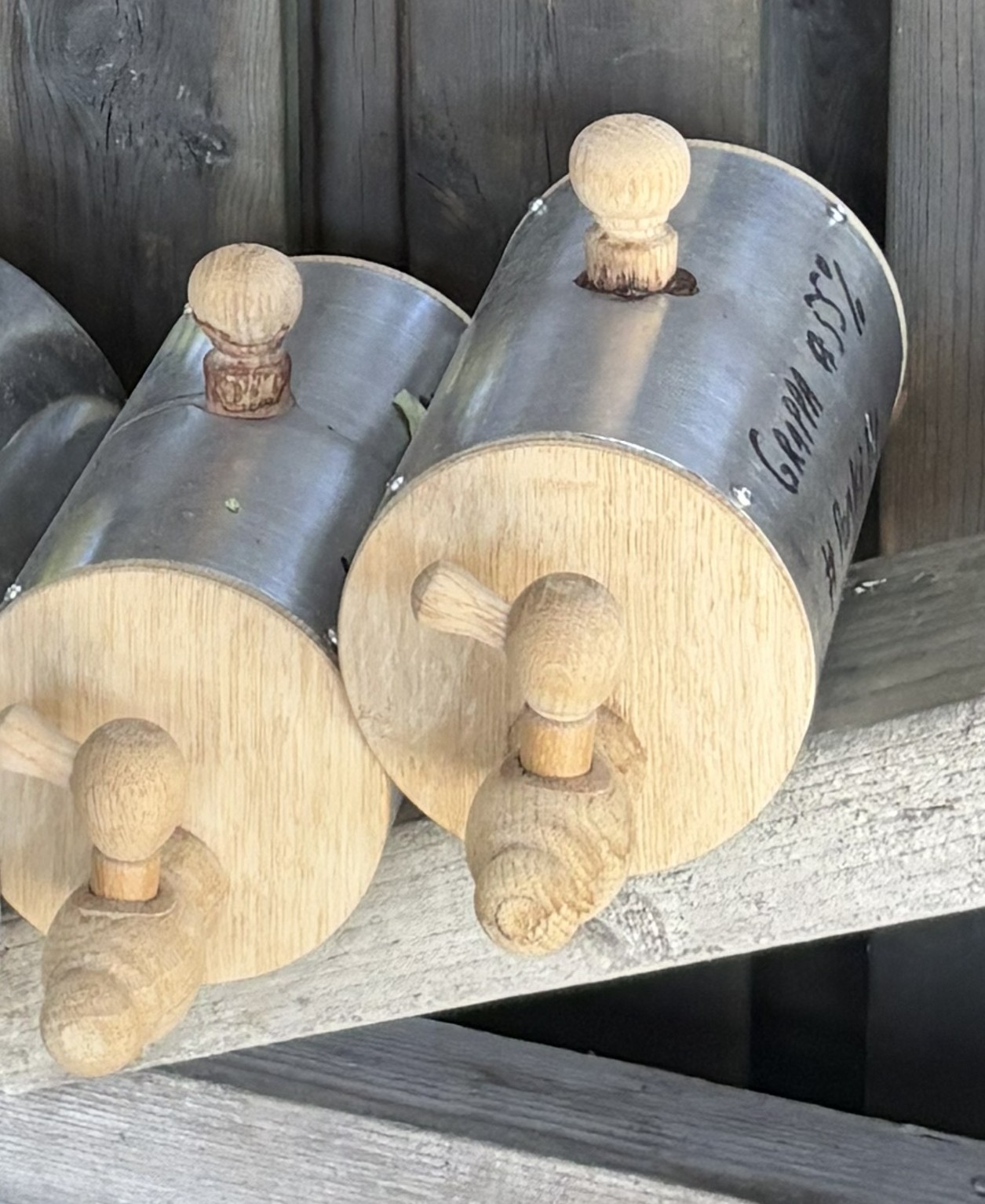
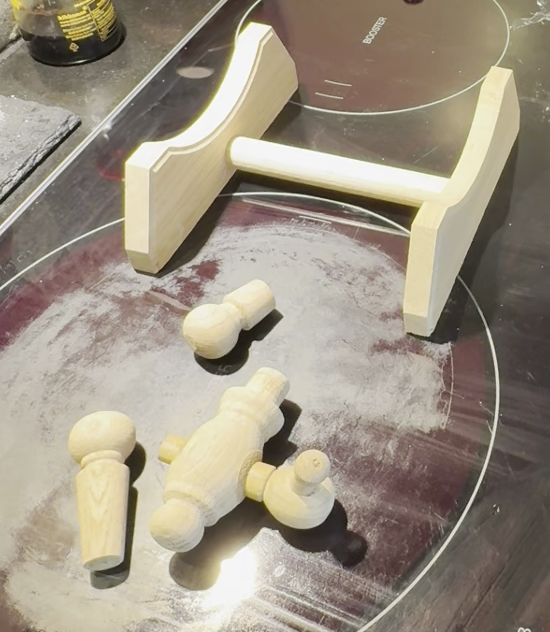
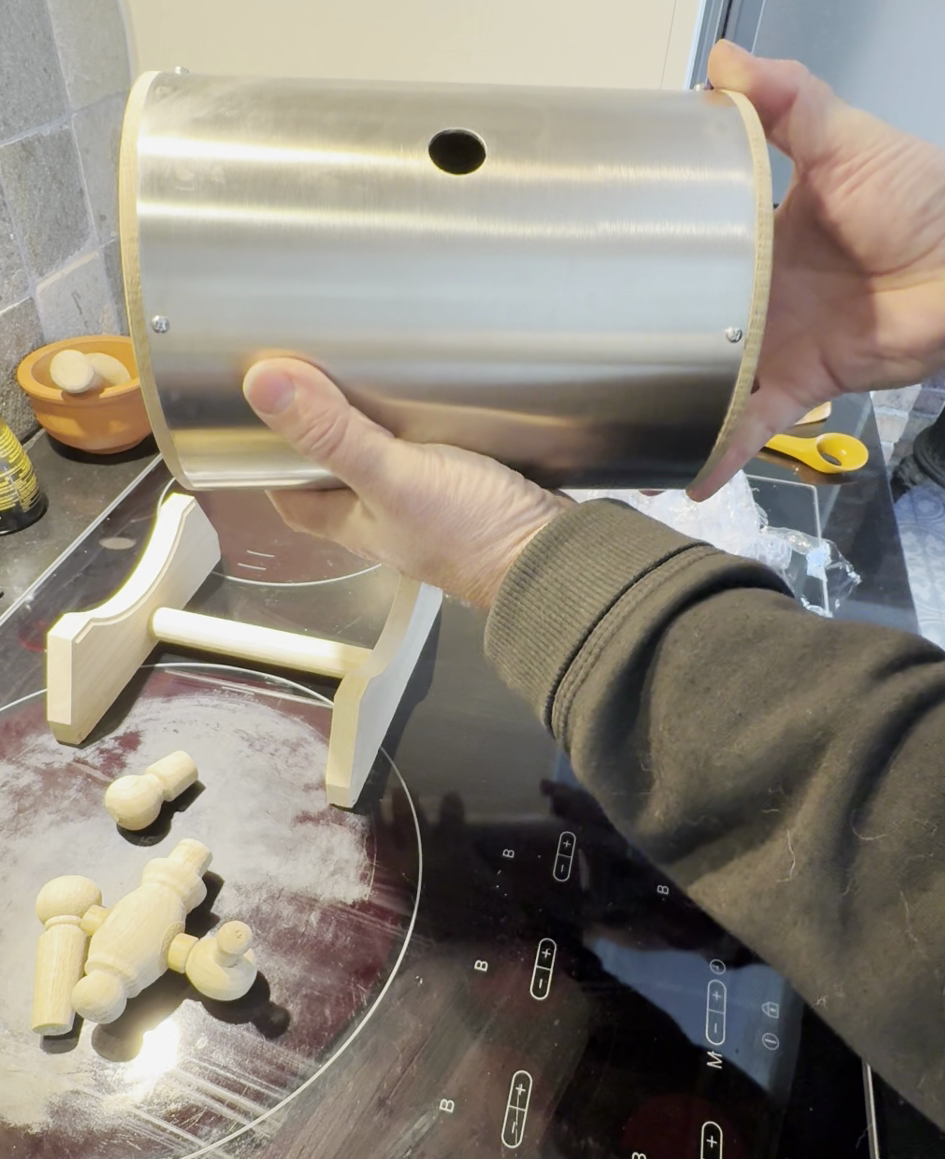
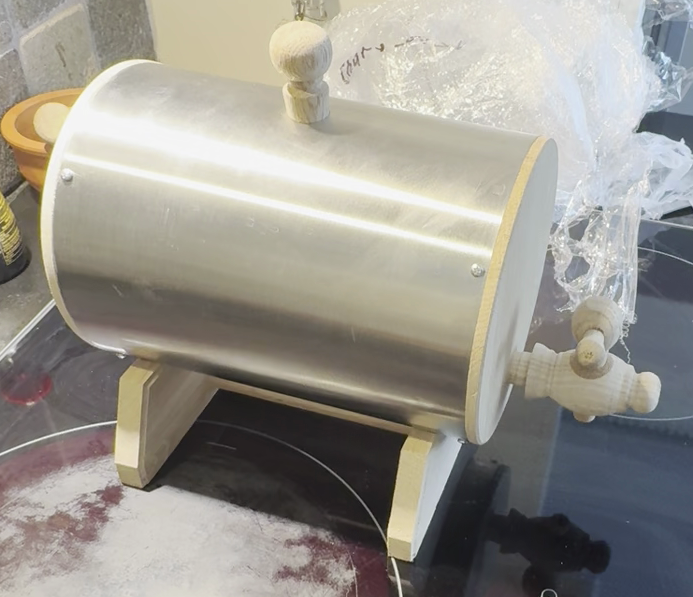
The message came from Crafthouz. They were building hybrid vessels: stainless body, wooden ends, and a different way to think about maturation control.
It was not presented as a miracle solution. That was exactly why it got my attention.
The proposal was simple enough to test: separate the storage shell from the flavour-active wood and observe what changes when those roles are no longer locked together.
The Problem Behind the Romance
Traditional barrel culture is full of romance, and some of that romance is earned. But romance can hide the engineering problem.
In small volumes, wood-to-liquid geometry can run too hot. Extraction moves fast, integration lags behind, and decisions become reactive instead of deliberate.
If the goal is to understand flavour development rather than simply darken spirit quickly, that imbalance becomes the core problem.
The Annoying Customer
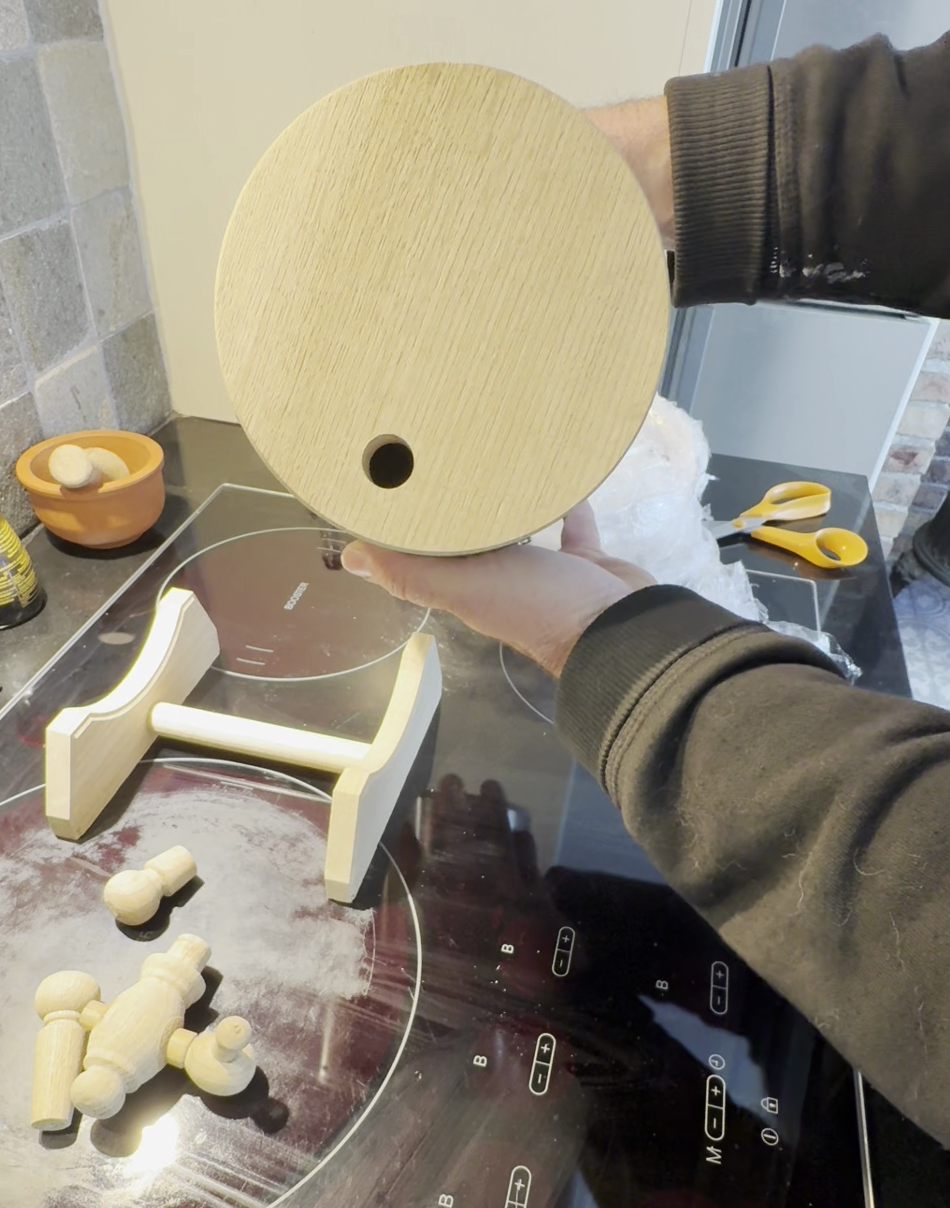
I was probably not their easiest customer. I asked about untreated oak, end-grain behaviour, oxygen pathways, and repeatability across prototype batches.
I asked what could be swapped, what stayed fixed, and what had to be measured instead of assumed.
To their credit, they kept answering. That matters. Good tools survive annoying questions.
Two Different Ends
One breakthrough in the discussion was dual-end treatment. Instead of one uniform wood expression, each end could carry a different treatment profile.
That opened practical experiment design: one end calmer, one end more active; one side closer to control, the other more exploratory.
Prototype orders started making sense because the vessel was becoming a platform, not just a container.
A Tool for Slowing Down Time
The most useful feature was not speed. It was control over speed.
Hybrid geometry let maturation move slower when slower was better, especially when trying to preserve structure while still allowing extraction and oxygen interaction to do meaningful work.
That shift changes decision quality. You stop chasing colour and start reading trajectory.
From Customer to Something Else?
Over time, the relationship with Crafthouz moved beyond a standard buyer-seller exchange. It became a technical conversation with shared curiosity and visible iteration.
I still treat every setup as an experiment, not a doctrine. But the dialogue itself has become part of the work: questions, prototypes, revisions, and better questions again.
That is the only kind of progress I trust.